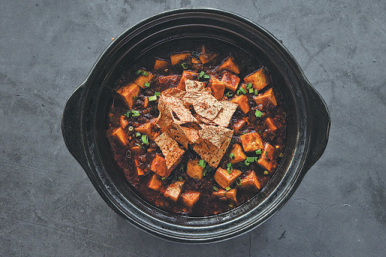
Sichuan Cuisine
Introduction
Sichuan cuisine, also known as Szechuan cuisine, is one of the eight great traditions of Chinese gastronomy, renowned for its bold flavors, particularly the pungency and spiciness resulting from the liberal use of garlic, chili peppers, and the unique Sichuan pepper, which produces a tingling, numbing effect. This culinary tradition originates from Southwest China's Sichuan province and has a rich history of cultural and gastronomic influences.
Historical Background
The origins of Sichuan cuisine can be traced back to the Western Han Dynasty (206 BC–AD 24), with significant development during the Tang (618–907) and Song (960–1279) dynasties. Situated in the fertile Chengdu Plain, Sichuan province benefited from the abundance of local resources, including freshwater fish, seasonal vegetables, and high-quality spices, which contributed to the evolution of its unique culinary style. Historical records indicate that Sichuan cuisine was celebrated by poets such as Du Fu and Lu You.
Distinctive Characteristics
Sichuan cuisine is characterized by its diverse flavor profiles, categorized into 24 distinct types, including numbing, spicy, sweet and sour, and sesame flavors. These diverse flavors are achieved through various cooking techniques and the use of local ingredients such as Pixian bean paste, Sichuan peppercorns, and broad bean chili paste. The cuisine is not limited to its famed spiciness; it encompasses a wide range of tastes, with many dishes offering subtle, complex flavors.
Signature Dishes
-
Mapo Tofu: This iconic dish consists of tofu set in a spicy and oily chili and bean-based sauce, typically topped with minced meat, usually pork or beef.
-
Kung Pao Chicken: A popular Sichuan dish made with diced chicken, peanuts, vegetables, and chili peppers.
-
Twice Cooked Pork: Pork belly is first simmered, then stir-fried with vegetables and chili paste for a rich, savory flavor.
-
Sichuan Hotpot: Known for its broth that is richly flavored with Sichuan peppercorns and dried chili peppers, offering a communal dining experience.
Cultural Significance
Sichuan cuisine is more than just a culinary style; it is a cultural icon of Sichuan province and China as a whole. It reflects the region's history, climate, and local customs. The Chengdu Plain's "land of abundance" reputation due to the Dujiangyan Irrigation System has allowed Sichuan cuisine to flourish and evolve. The cuisine's inherent adaptability and vibrant flavors have made it a favorite among local and international diners alike.
Tourism and Culinary Experience
Chengdu, the capital of Sichuan province, was recognized as a "City of Gastronomy" by UNESCO in 2010, highlighting its significance in global food culture. Sichuan's culinary tourism is bolstered by its rich history, diverse dining experiences, and cultural landmarks such as the Museum of Sichuan Cuisine. This makes it a must-visit destination for those looking to explore authentic Chinese culinary traditions.








